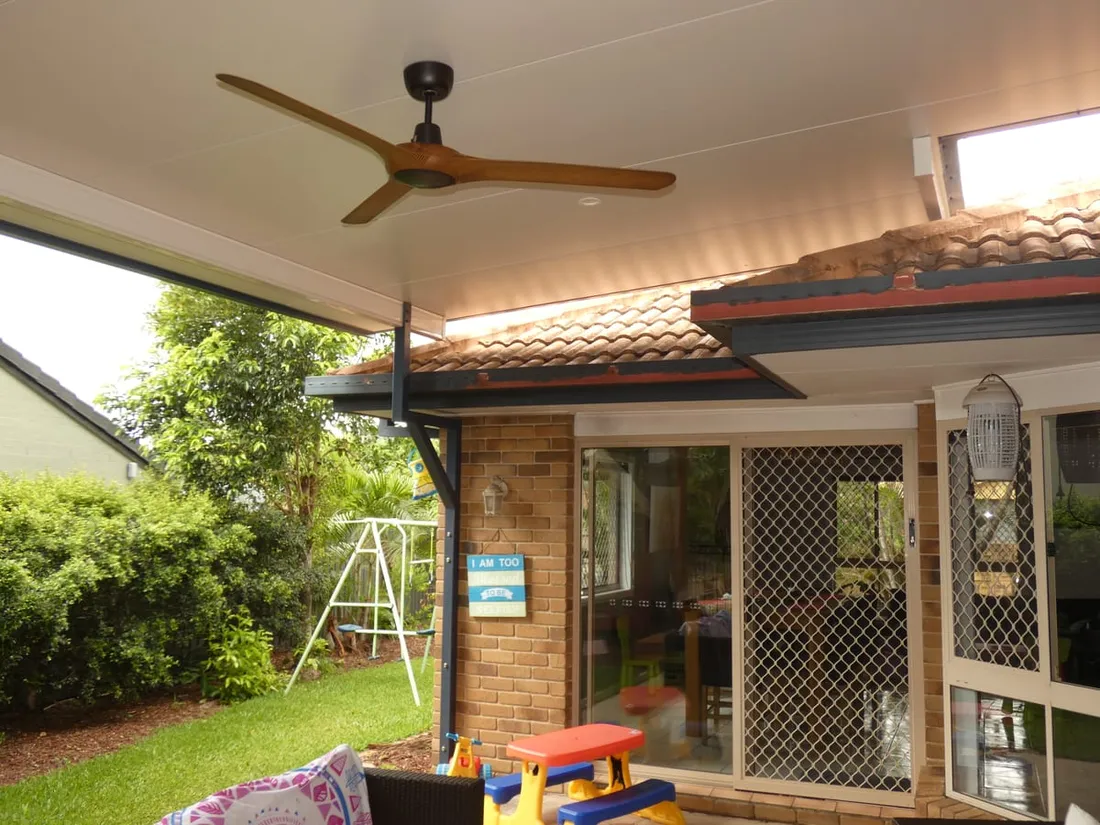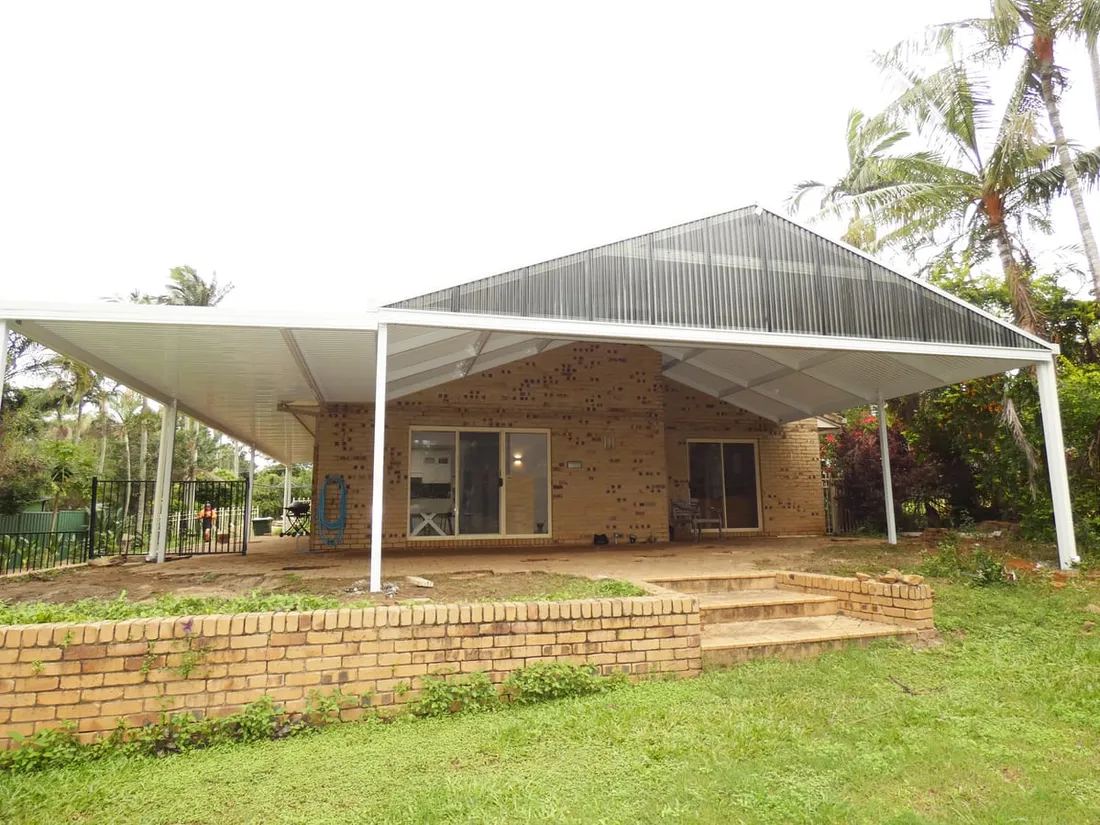
Most homeowners treat a patio as an add-on, something to sort out after the "real" renovations are done. That’s backwards. In South East Queensland, we spend more of the year outside than almost anywhere else in the country, and the patio ends up being the most-used room in the house. Plan it first, and it often improves the layout of everything inside too.
We’re Dam Good Patios, QBCC-licensed and insured builders and HIA Builders Association members, with over 50 years of building experience behind the team. We build patios, pergolas, carports, entertainment patios, boat and caravan covers, blinds and awnings for homeowners in Brisbane, Logan, Ipswich, the Gold Coast and South East Queensland. The rest of this guide is what we’d tell a mate looking for the right patio builder near them, whether they hire us or not.
Start with how you actually live, not with photos
Before materials or designs, ask how you’ll actually use the space. Not what looks good on Pinterest, what you’ll do out there on a Wednesday night.
- Big family barbecues, or quiet morning coffees?
- Somewhere the kids can play in the wet season?
- Room for the boat or caravan under cover?
- Space for pets?
We’ve had clients wanting elaborate outdoor kitchens who then admitted they eat dinner inside most nights. Function first, beauty second. A simple patio that gets used every day beats a showpiece that sits empty. The answer to "how will we use it" dictates size, position, roof style and whether you need full enclosure or partial shade.
Design for Brisbane weather, it’s not optional
Brisbane isn’t Sydney or Melbourne. We get intense sun, heavy summer storms and long stretches of humidity. Your patio has to be designed for that, or it becomes unusable half the year.
- Shade from more than just the roof, think about the western afternoon sun and where side screens, blinds or plantings need to go.
- Drainage, proper falls and guttering so water doesn’t pool against your house.
- Ventilation, a fully enclosed patio turns into a sauna in February if it can’t breathe.
- Flexibility, adjustable louvres, retractable awnings or outdoor blinds let you adapt to what the day is doing.
Designing for the local climate isn’t about comfort alone. It’s about protecting the structure and the house it’s attached to. Google describes local visibility through relevance, distance and prominence.
Durability is about the build, not just the material
Everyone debates timber vs Colorbond vs tile. Materials matter, but the build quality matters more. A poorly installed timber patio will warp and fail faster than a solid build using standard materials. We regularly get called out to fix work by others where the footings were undersized, the fixings were wrong for the substrate, or drainage was ignored.
Proper site preparation, correct fixings, and adherence to council and engineering requirements are non-negotiable. Any decent builder will do a proper site assessment first, checking soil type, slope, existing services and how the new structure ties into your home.
Council, engineering and approvals, who handles what
This is where a lot of homeowners get stuck. Depending on the size, height and location of your patio or carport, you may need council approval, engineering drawings, and a formal lodgement. The Brisbane City Council has the residential rules for carports and garages, and other councils across Logan, Ipswich and the Gold Coast have their own.
A reputable builder will tell you clearly what your project needs and handle it for you. We handle council, engineering, drafting and council lodgement as part of the project where the design requires it, so you’re not chasing certifiers and drafting services on your own.
Realistic maintenance beats "low maintenance" marketing
There’s no such thing as a zero-maintenance patio. Everything needs some level of care.
- Composite decking is easier than timber but still needs cleaning to keep mould and algae off.
- Tiles will need re-grouting eventually.
- Colorbond roofs need the occasional wash, especially near the coast.
- Timber decking needs oiling if you want it to keep looking sharp.
Pick materials that match the effort you’ll actually put in. If you hate pressure washing, some finishes are a bad fit no matter how nice they look in the showroom. Honesty here saves you money and regret.
When concrete is the wrong call
Concrete slabs are popular and can look great. But they aren’t always right. Dark concrete gets seriously hot in summer, walking barefoot on it in February isn’t fun. Slabs can crack with ground movement, and concrete reflects heat back onto your house walls, which can push your cooling costs up.
Concrete works well on a stable, level site where you’ll cover most of it with furniture and rugs. Otherwise, pavers, timber decking or composite boards usually stay cooler underfoot and sit better with the rest of the garden.
Lighting: set the mood, don’t replicate daylight
Patio lighting is about atmosphere, not floodlighting a car park. Avoid one harsh overhead light. Layer it instead:
- Ambient, string lights or wall lights for the overall glow.
- Task, brighter lights over the BBQ or prep area.
- Accent, small spots on a tree, feature wall or planting bed.
Get the layers right and the space feels twice as big at night.
Integrate with the rest of the yard
Patios often get treated as isolated structures bolted onto the back of the house. The good ones connect. Think about how the patio meets existing paths, lawn and garden beds. Repeat a material or colour so it feels intentional. Soften hard edges with plants, pots, raised beds, a bit of screening. A well-integrated patio makes the whole backyard feel bigger and more finished.
How to actually choose a patio builder near you
When you’re comparing "outdoor patio builders near me", price is the easiest thing to compare and the worst thing to decide on. Work through this instead:
- Check the licence. In Queensland, most patio work needs a licensed builder. The QBCC public register lets you look up any builder’s licence and history in about a minute.
- Check insurance. Ask for evidence they’re insured, not just "yes we are" over the phone.
- Ask about industry membership. HIA membership is a reasonable signal that a builder is operating properly and staying current on standards.
- Ask who handles council and engineering. If the builder expects you to sort drafting, engineering and lodgement yourself, that’s a red flag for a job of any size.
- Get more than one written quote. Compare like-for-like, same size, same roof, same finishes.
- Get the scope in writing. Detailed plans, material specs, inclusions and exclusions, and a clear payment schedule. The QBCC is clear that any contract variation should be documented in writing before the changed work starts.
- Read recent reviews and ask for references. Talk to a past customer if you can. A confident builder will happily line one up.
- Watch how they listen. A good builder asks about your lifestyle and budget before pushing a particular style or material.
Ready to talk to someone about your patio?
If you want a second opinion on your project, we’re happy to help. We offer a free measure and quote with no obligation, we’ll come out, look at the site, talk through what you actually want to use the space for, and give you a proper written quote covering materials, structure, and any council and engineering work required.
You can request a free quote through the form on our website, or call us on 07 3412 3779. Even if you end up going with someone else, you’ll walk away with a much clearer idea of what your project should cost and what to ask the next builder you meet.
> Key takeaway: Don’t treat a patio as an afterthought. Plan it first around how you actually live, design it for Brisbane’s climate, and pick a licensed builder who’ll handle council and engineering properly. That’s where good outdoor spaces come from.
Thinking about your own patio?
Get an honest, no-obligation measure and quote from QBCC-licensed builders who've been doing this across South East Queensland for over 50 years.
Get a free quote