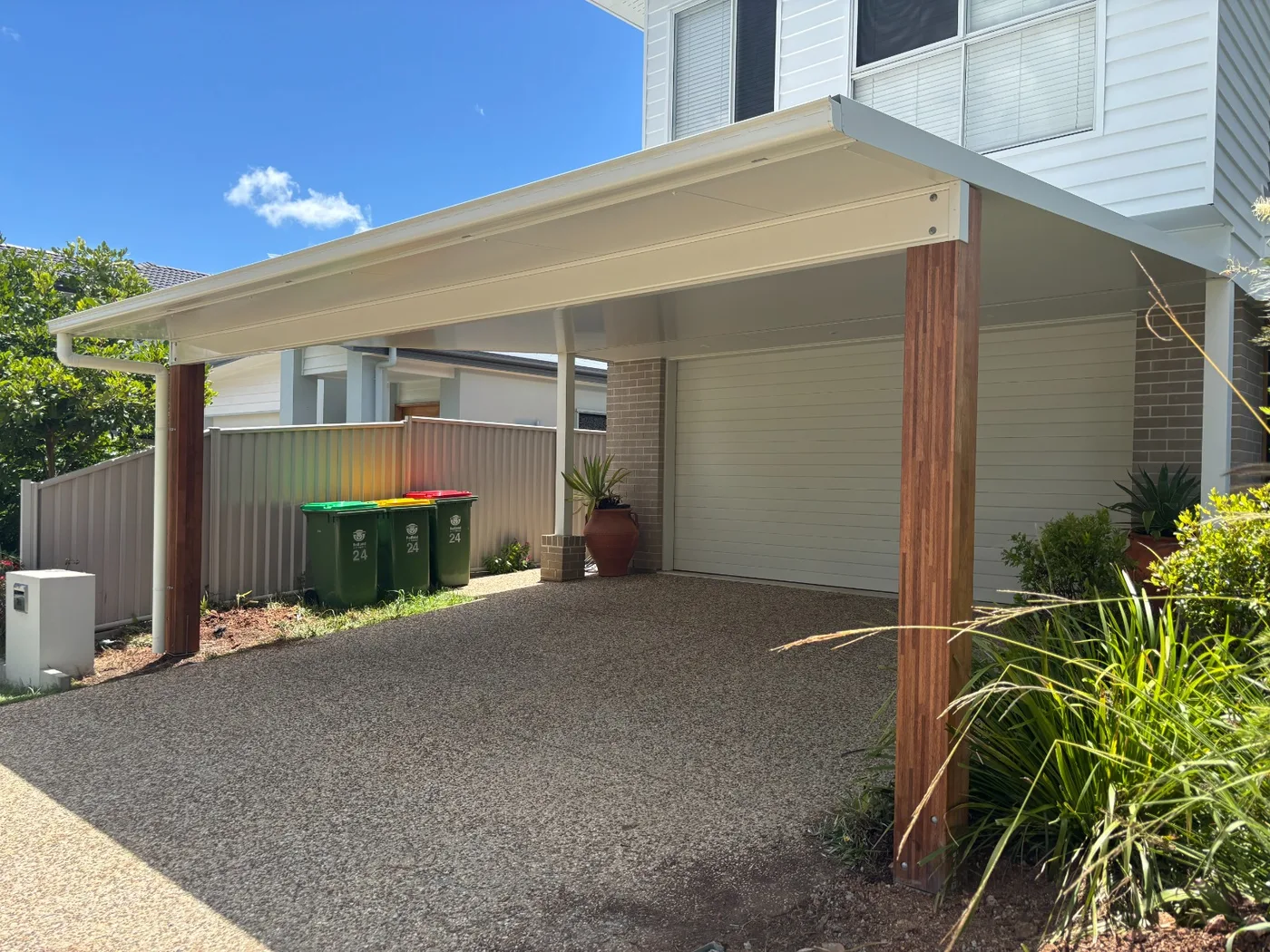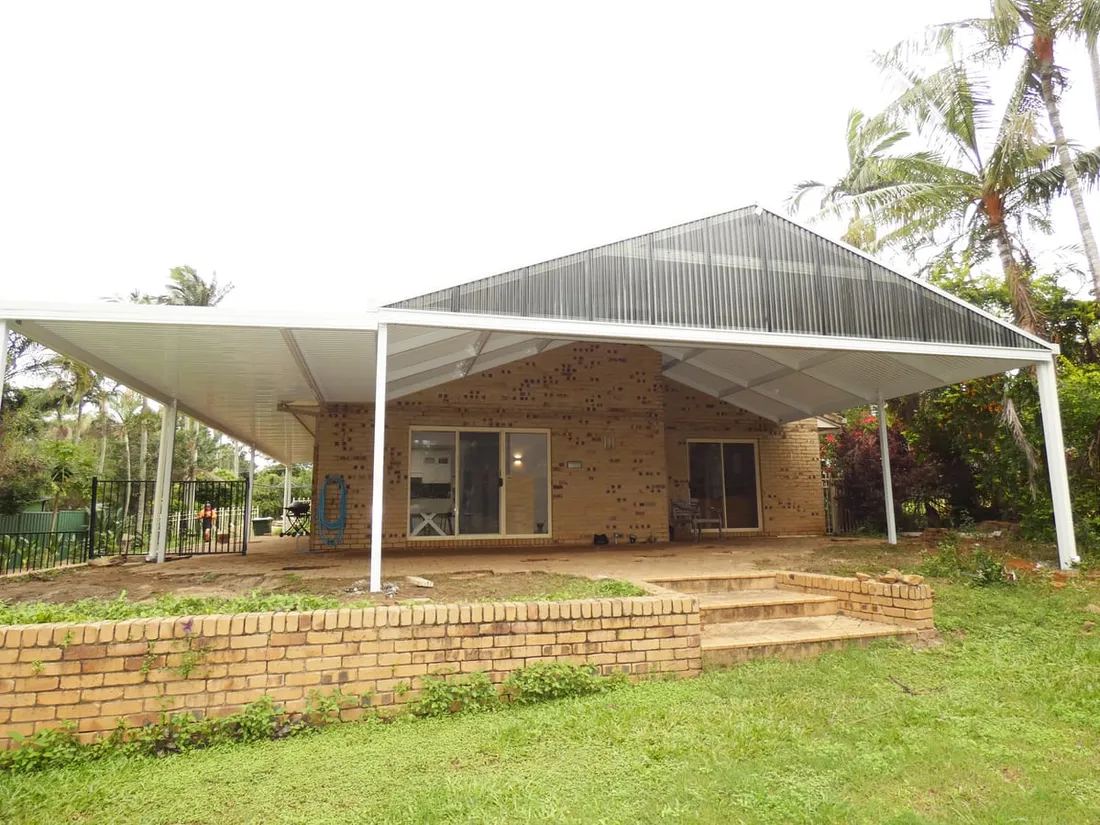
Short answer: In Queensland, a patio is usually building work that needs a building approval — issued by a private building certifier, not a town-planning "council approval" in most cases. Small, low, freestanding structures can sometimes be exempt, but it depends on the size, height and how close it sits to your boundaries. If your patio attaches to the house or is near a boundary, assume you'll need approval — and we handle that whole process for you.
"Council approval" vs "building approval" — clearing up the confusion
People say "council approval" but there are really two different things in Queensland:
- Building approval — confirms the structure is safe and engineered correctly (footings, beams, wind loading). For patios this is the one that almost always applies, and it's issued by a private building certifier, not the council counter.
- Planning (town-planning) approval — only comes into play for things like building outside the standard siting rules, heritage overlays, or unusual blocks. Most straightforward patios don't need it.
When you DO need approval
- The patio is attached to your house (roof loads tie into the existing structure).
- It's over the exempt size/height thresholds for a freestanding structure.
- It sits close to a boundary or over an easement, which triggers a siting assessment.
- You're in a body corporate, covenant or estate — you'll likely need their sign-off too.
When a patio might be exempt
Small, low, freestanding structures below the size and height limits set out in the Queensland Building Regulation can be exempt. But "exempt from approval" is not the same as "no rules" — it still has to meet siting and engineering standards. Because the thresholds are specific, always confirm with a certifier before you assume yours is exempt.
What the certifier actually checks
- Siting — setbacks from boundaries and how much of the block is built on.
- Wind loading — South East Queensland has specific wind-region engineering requirements; your patio's steel and footings must be designed for it.
- Footings and structure — sized to the span and soil.
- Stormwater — where the roof run-off goes.
Brisbane, Logan and Gold Coast
The Queensland building rules are state-wide, but each council (Brisbane City, Logan, Gold Coast and the rest of SE QLD) applies its own local siting and stormwater specifics. If you're in a unit or a newer estate, check your body corporate or covenant as well.
How Dam Good Patios handles approvals for you
You don't have to navigate any of this yourself. As a QBCC-licensed builder, we arrange the engineering, lodge the paperwork with a building certifier and make sure your patio or carport is approved and compliant before we build. It's all part of the job.
This guide is general information, not formal advice — the exact rules depend on your block, your council and your design. The safe move is to let us check it as part of your free measure.
Book a free measure and quote and we'll tell you exactly what approval your patio needs.
Thinking about your own patio?
Get an honest, no-obligation measure and quote from QBCC-licensed builders who've been doing this across South East Queensland for over 50 years.
Get a free quote